Sewer Line Problems in Older Chattanooga Homes: What Every Homeowner Needs to Know

Sewer Line Problems in Older Chattanooga Homes: What Every Homeowner Needs to Know | Buddy the Plumber

Sewer Line Problems in Older Chattanooga Homes: What Every Homeowner Needs to Know

Warning Signs, Causes, and What to Do If Your Sewer Line Fails

If your home was built before 1980 — and a large portion of homes in Red Bank, Lookout Valley, Hixson, and older Chattanooga neighborhoods were — there's a real chance your sewer line is made from materials that were standard at the time but weren't designed to last indefinitely.

Sewer line problems are among the most expensive plumbing repairs a homeowner can face. They're also among the most preventable, because failing sewer lines almost always give warning signs before they become full-blown emergencies.

What Are Older Sewer Lines Made Of?

Cast Iron

Standard in mid-century homes. Durable but not permanent — after 50–70 years, cast iron corrodes from the inside, develops rough surfaces, and eventually cracks or collapses.

Clay Tile Pipe

Common through the mid-20th century. Highly susceptible to tree root intrusion at pipe joints. Also brittle and prone to cracking from shifting soil — relevant in Chattanooga's terrain.

Orangeburg Pipe

Used from the 1940s–70s. Made from compressed wood pulp and pitch, it softens, deforms, and collapses over time. Many of these pipes are well past their intended lifespan.

Warning Signs of Sewer Line Problems

  • Multiple drains in the house slowing down or backing up at the same time
  • Gurgling sounds from the toilet when you run water in the sink or shower
  • Sewage odors in the yard, crawl space, or basement
  • Unusually green, lush, or soggy patches of grass — especially in a line from the house toward the street
  • Toilet water level fluctuating without flushing
  • Frequent backups requiring drain cleaning every few months
  • Soft spots or sinkholes in the yard near the sewer line path

Key signal: If multiple fixtures are backing up or slowing at the same time — kitchen drain, bathroom drain, and toilet all misbehaving — the problem is almost certainly in the main sewer line, not individual drains.

Why Chattanooga's Terrain Makes Sewer Lines More Vulnerable

Hamilton County's topography — with its hills, ridges, and varying soil composition — creates conditions where ground movement and shifting soil are more common than in flat terrain. This places additional stress on underground pipe joints and connections, particularly in older clay and cast iron lines.

The mature tree canopy throughout neighborhoods like Red Bank, Lookout Valley, and older areas of Hixson adds another layer of risk. Tree roots are persistent and opportunistic — and clay tile sewer lines give them an easy entry point.

What a Sewer Camera Inspection Shows

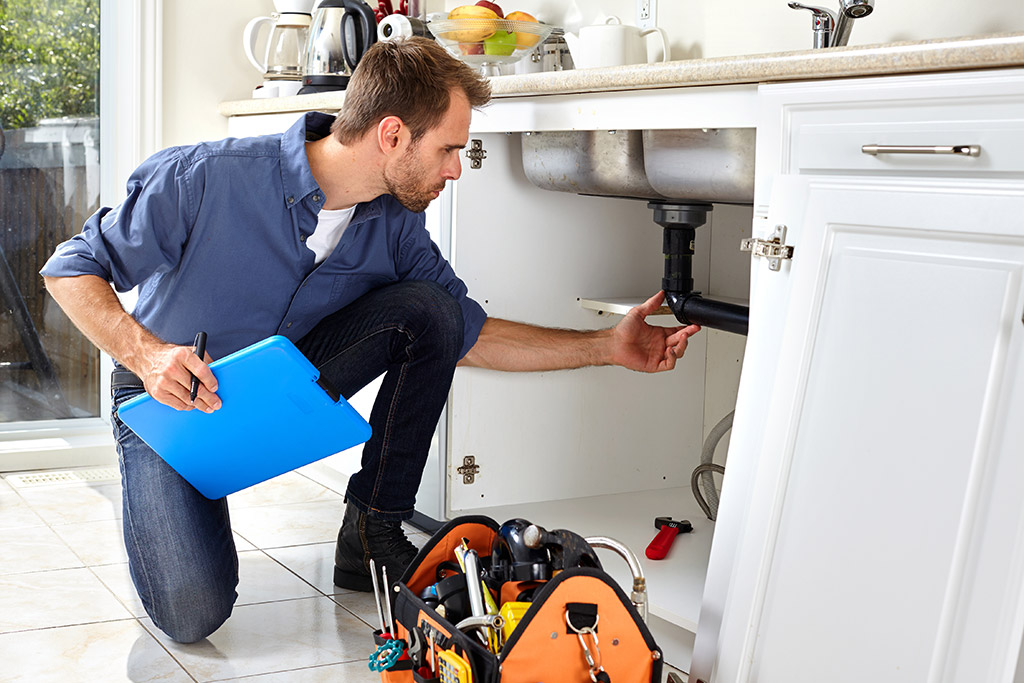
The only way to know the true condition of your sewer line is a camera inspection. A licensed plumber runs a waterproof camera through the line and can see exactly what's happening: root intrusion, corrosion, offset joints, buildup, or collapse.

This matters because the treatment depends on the cause. Root intrusion may be addressed with hydro jetting and a root inhibitor. A collapsed or severely corroded section requires repair or replacement. Without a camera, it's guesswork.

Sewer Line Repair and Replacement Options

Spot Repair

If damage is localized to a specific section, a spot repair replaces that segment without digging up the entire line. This is the most cost-effective option when the rest of the line is in good condition.

Pipe Lining (Trenchless Repair)

A resin-saturated liner is inserted into the existing pipe and cured in place, creating a new pipe within the old one. Minimally invasive — no major excavation or landscaping disruption. Works well for pipes with significant interior corrosion or minor structural damage.

Full Sewer Line Replacement

When a sewer line is too far gone for repair, replacement is the right call. Modern PVC sewer lines are smooth-walled, root-resistant, and built to last for decades. It's a significant investment, but it eliminates the problem permanently.

Frequently Asked Questions

How do I know if my sewer line is original to the house?

If your home was built before 1980 and you have no record of sewer line work, assume the line is original. A camera inspection is the only definitive way to know the material and condition.

Does homeowner's insurance cover sewer line failure?

Standard homeowner's insurance typically covers sudden, unexpected sewer backup damage but not gradual deterioration or root intrusion. Some policies offer sewer line endorsements for additional coverage — worth reviewing with your insurance agent.

How much does a sewer line inspection cost?

A sewer camera inspection is a fraction of the cost of an emergency sewer repair. It's one of the best investments an older-home owner can make — because catching a problem early keeps the repair options simpler and less expensive.

Do you inspect and repair sewer lines in Red Bank, Lookout Valley, Hixson, and older Chattanooga neighborhoods?

Yes. Buddy the Plumber serves Chattanooga, Hixson, Ooltewah, Soddy Daisy, Harrison, Red Bank, Signal Mountain, Lookout Mountain, and Lookout Valley. Call 423-401-9009 to schedule a sewer camera inspection.


Don't Wait for a Sewer Emergency — Inspect Before It Fails

A sewer camera inspection is the only way to know what's really in your line. We'll tell you exactly what we find — and your honest repair options.

📞 423-401-9009  |  Request a Quote

Serving Chattanooga · Hixson · Ooltewah · Soddy Daisy · Harrison · Red Bank · Signal Mountain · Lookout Mountain · Lookout Valley, TN
Hard Water in Hamilton County: How It’s Damaging Your Pipes, Fixtures, and Water Heater

Hard Water in Hamilton County: How It's Damaging Your Pipes, Fixtures, and Water Heater | Buddy the Plumber

Hard Water in Hamilton County: How It's Damaging Your Pipes, Fixtures, and Water Heater

What Every Chattanooga-Area Homeowner Needs to Know

If you've lived in Hamilton County for any length of time, you've probably noticed the signs — white crusty buildup on the showerhead, soap that doesn't lather the way it should, dishes with a filmy residue even after the dishwasher runs. That's hard water, and it's one of the most common — and most underestimated — plumbing challenges for homeowners across Chattanooga, Hixson, Ooltewah, Soddy Daisy, Harrison, Red Bank, Signal Mountain, Lookout Mountain, and Lookout Valley.

Hard water isn't a health hazard. But over time, it's quietly damaging your plumbing system and costing you money.

What Makes Water "Hard"?

Water hardness refers to the concentration of dissolved minerals — primarily calcium and magnesium — in your water supply. As water moves through rock and soil before reaching treatment facilities, it picks up these minerals naturally. The higher the concentration, the "harder" the water.

Hamilton County's geology and water infrastructure contribute to hardness levels that are higher than many homeowners realize. While the water meets safety standards, the mineral content is significant enough to cause real problems for plumbing systems over time.

What Hard Water Does to Your Plumbing

Water Heater

Minerals settle at the tank bottom as scale. The unit works harder, consumes more energy, and fails earlier. Scale buildup is a leading reason water heaters fail prematurely in Hamilton County.

Pipes & Supply Lines

Scale accumulates on pipe walls, narrowing flow. In older homes in Red Bank and Lookout Valley with smaller diameter pipes, this can meaningfully reduce water pressure over time.

Fixtures & Faucets

White chalky deposits clog aerators and showerheads, reduce water pressure at individual fixtures, and shorten the life of washers and seals.

Appliances

Dishwashers, washing machines, and ice makers all accumulate scale internally — reducing efficiency, increasing energy use, and shortening appliance lifespan.

Signs Hard Water Is Affecting Your Home

  • White or grayish scale on faucets, showerheads, and around drains
  • Reddish or brownish staining in sinks, tubs, or toilets
  • Soap scum that's difficult to clean in the shower
  • Dishes and glassware with a cloudy film after washing
  • Dry or itchy skin after showering
  • Reduced water pressure at specific fixtures
  • Water heater making rumbling or popping sounds
  • Higher-than-expected energy bills

The Solution: Water Softeners and Whole-Home Filtration

A water softener addresses hard water at the point of entry — treating the water before it reaches any fixture, appliance, or pipe in your home. Through an ion exchange process, calcium and magnesium ions are replaced with sodium, producing softened water that doesn't form scale.

The results are immediate and measurable: scale stops forming, existing buildup gradually dissolves, appliances and water heaters run more efficiently, and skin and hair respond noticeably to the change in water quality.

For homeowners who want comprehensive improvement — not just softening — a whole-home filtration system combined with a water softener addresses hardness, chlorine taste and odor, sediment, and other concerns simultaneously.

Is a Water Softener Worth It in Hamilton County?

For most homeowners in the Chattanooga area, yes. The upfront cost of a quality water softener is typically recovered through reduced energy bills, extended appliance and water heater lifespan, fewer plumbing repairs, and reduced spending on cleaning products designed to fight scale and soap scum.

If you've replaced a water heater in the last five years and didn't address the underlying water quality, you're likely heading for the same problem again.

Frequently Asked Questions

Can I test my water hardness myself?

Basic test strips are available at hardware stores and give a general sense of hardness levels. For a more accurate picture of what's in your specific water, a professional water test is more reliable. Buddy the Plumber can assess your water and recommend the right solution.

Does softened water taste salty?

No. The sodium content added by standard water softeners is very low — typically far less than a slice of bread. If sodium is a health concern, a reverse osmosis system at the kitchen tap removes it entirely.

How long does a water softener last?

A quality water softener typically lasts 10–15 years with proper maintenance. Annual salt refills and periodic service keep the unit running efficiently.

Do you install water softeners throughout the Chattanooga area?

Yes. Buddy the Plumber installs water softeners and whole-home filtration systems in Chattanooga, Hixson, Ooltewah, Soddy Daisy, Harrison, Red Bank, Signal Mountain, Lookout Mountain, and Lookout Valley. Call 423-401-9009.


Stop Replacing Appliances Early — Fix the Water Quality

We'll assess your water and recommend the right softener or filtration system for your home.

📞 423-401-9009  |  Request a Quote

Serving Chattanooga · Hixson · Ooltewah · Soddy Daisy · Harrison · Red Bank · Signal Mountain · Lookout Mountain · Lookout Valley, TN
What to Do Before the Plumber Arrives: A Chattanooga Emergency Checklist

What to Do Before the Plumber Arrives: A Chattanooga Emergency Checklist | Buddy the Plumber

What to Do Before the Plumber Arrives: A Chattanooga Emergency Checklist

How to Protect Your Home and Save Time When a Plumbing Crisis Hits

Plumbing emergencies have a way of happening at the worst possible moment. A pipe bursts on a Sunday night. The water heater starts leaking while you're getting ready for work. The toilet overflows just before company arrives.

How you respond in the first few minutes matters — not just for stopping the damage, but for making the plumber's job faster and easier when we arrive. Here's the checklist every homeowner across Chattanooga, Hixson, Ooltewah, Red Bank, Soddy Daisy, Harrison, Signal Mountain, Lookout Mountain, and Lookout Valley should keep handy.

📋 Emergency Plumbing Checklist — Save This

  1. Shut off the water — fixture shutoff or main shutoff valve
  2. Turn off the water heater — gas to pilot, electric to breaker off
  3. Open a low faucet to release pressure from the lines
  4. Remove standing water immediately — mold starts in 24–48 hours
  5. Move valuables out of the affected area
  6. Take photos and video for insurance documentation
  7. Call Buddy the Plumber: 423-401-9009

Step 1: Shut Off the Water

This is always the first step. The longer water flows, the more damage it does.

For a localized problem (one fixture or appliance):

Most sinks, toilets, and appliances have a dedicated shutoff valve nearby — usually a small oval or round handle on the supply line behind or under the fixture. Turn it clockwise to shut off water to just that area without affecting the rest of the house.

For a major leak or burst pipe:

Go straight to your main water shutoff valve. In most Chattanooga-area homes, this is located where the water line enters the house — in the utility room, garage, crawl space, or near the water heater. Turn it clockwise to cut water to the entire home. Know where yours is before an emergency happens.

Step 2: Turn Off the Water Heater

If you've shut off the main water supply, turn off your water heater as well. Running a water heater without incoming water can damage the unit. For gas heaters, set it to the pilot position. For electric, turn off the breaker.

Step 3: Open a Faucet to Release Pressure

After shutting off the main supply, open a faucet on the lowest floor of your home. This relieves pressure in the lines and lets remaining water drain out, slowing any ongoing leak and making the repair cleaner.

Step 4: Address the Immediate Mess

  • Remove standing water quickly — in Tennessee's humidity, mold can begin forming within 24–48 hours
  • Move furniture, rugs, electronics, and valuables out of the affected area
  • Place towels or buckets to contain ongoing dripping if it hasn't fully stopped
  • Do NOT use electrical outlets or switches in areas where water has been — safety first

Step 5: Document the Damage

Before cleanup goes too far, take photos and video of the damage. This documentation matters if you need to file a homeowner's insurance claim. Capture the source of the leak, affected areas, and any visible damage to floors, walls, or cabinetry.

Step 6: Call Buddy the Plumber

Once you've controlled the immediate situation, call us at 423-401-9009. When you call, be ready to share:

  • What happened and where the problem is located in the home
  • Whether you were able to shut off the water supply
  • How much water has been released or is still leaking
  • Any visible damage or unusual sounds

The more information you can give us upfront, the better prepared we'll be when we arrive — which means a faster repair for you.

Common Mistakes to Avoid During a Plumbing Emergency

⚠️ Avoid these mistakes:

  • Don't ignore a small leak and assume it will resolve itself
  • Don't use a toilet or drain that is backing up — stop using that fixture entirely
  • Don't pour chemical drain cleaner into a completely blocked drain — it can create a hazardous situation
  • Don't attempt to repair gas lines yourself — call immediately and evacuate if you smell gas
  • Don't wait until morning if it's a significant leak — water damage compounds quickly overnight

Know Your Home Before an Emergency Happens

The best thing you can do right now — before any emergency — is to locate your main shutoff valve and make sure every adult in the household knows where it is. It takes two minutes and can save thousands of dollars in water damage.

Many homes, especially older ones in Lookout Valley, Red Bank, and Hixson, have valves that haven't been turned in years and may be stiff or stuck. Better to discover that now than at midnight during a burst pipe.

Frequently Asked Questions

What counts as a plumbing emergency?

Burst pipes, major leaks, sewage backups, water heater failures, and gas line issues are all emergencies. If water is actively damaging your home or a situation poses a safety risk, don't wait for regular business hours.

Does Buddy the Plumber offer emergency service?

Yes. We serve the Chattanooga area including Hixson, Ooltewah, Soddy Daisy, Harrison, Red Bank, Signal Mountain, Lookout Mountain, and Lookout Valley. Call 423-401-9009.

Will my homeowner's insurance cover plumbing emergencies?

Many policies cover sudden, accidental water damage but not gradual leaks from deferred maintenance. Document everything and contact your insurance provider. A plumber can provide a written assessment if needed.


🚨 Plumbing Emergency? Call Now.

We serve all of Chattanooga and surrounding communities. Don't wait — water damage compounds fast.

📞 423-401-9009  |  Request a Quote

Serving Chattanooga · Hixson · Ooltewah · Soddy Daisy · Harrison · Red Bank · Signal Mountain · Lookout Mountain · Lookout Valley, TN

The Homeowner’s Guide to Water Filtration in Signal Mountain & Lookout Valley, TN

The Homeowner's Guide to Water Filtration in Signal Mountain & Lookout Valley, TN | Buddy the Plumber

The Homeowner's Guide to Water Filtration in Signal Mountain & Lookout Valley, TN

What's Actually in Your Tap Water — and How to Fix It

Most homeowners in Signal Mountain, Lookout Valley, and Lookout Mountain don't think much about their tap water — until they notice a film on their dishes, a funny taste in their coffee, or dry skin after a shower that gets chalked up to "just how it is here."

It doesn't have to be. Water quality issues in the Chattanooga area are common and very fixable — often with a filtration system that installs right under your sink or at the main line into your home.

What's Actually in Chattanooga-Area Water?

Hamilton County water generally meets EPA safety standards, but meeting safety standards and having ideal water quality are two different things. Common issues in our area include:

  • Hard water — high calcium and magnesium content that leaves scale buildup on fixtures, inside water heaters, and in pipes
  • Chlorine and chloramines — used by utilities to disinfect water but can affect taste, odor, and skin
  • Sediment and particulates — especially in older homes with aging supply lines
  • Iron and manganese — can cause reddish or brownish staining in sinks and toilets

Homes on Signal Mountain and Lookout Mountain sometimes have additional variables due to elevation, older infrastructure, and distance from treatment facilities.

Signs You May Have a Water Quality Issue

  • White or gray scale buildup on faucets, showerheads, and appliances
  • Reddish or rust-colored staining in sinks, tubs, or toilets
  • Water that tastes metallic, earthy, or like chlorine
  • Dry or itchy skin after showering
  • Cloudy or slightly discolored water from the tap
  • Film or residue on dishes even after the dishwasher runs

Water Filtration Options for Chattanooga-Area Homes

Whole-Home Filtration

Installs at your main water line. Every tap, shower, and appliance receives filtered water. Best for hard water and general quality issues — also protects your water heater and pipes.

Under-Sink Filtration

Filters water at a single point — typically the kitchen tap. Ideal for improving drinking and cooking water quality without treating the whole house.

Water Softener

Specifically addresses hard water through ion exchange. Eliminates scale buildup, extends appliance life, and noticeably improves skin and hair. Often combined with a filtration system.

Reverse Osmosis

Pushes water through a membrane that removes minerals, chlorine, sediment, and more. Produces exceptionally clean drinking and cooking water. Typically installed under the kitchen sink.

How Water Quality Affects Your Plumbing

This is the part most homeowners miss: poor water quality doesn't just affect your glass of water — it affects your entire plumbing system.

Hard water scale builds up inside water heaters, reducing efficiency and shortening lifespan. It coats the inside of supply lines, gradually restricting flow. It clogs showerheads and aerators. Over years, the cumulative damage to a home's plumbing system from untreated hard water can cost significantly more than a filtration system would have.

For homeowners in Signal Mountain, Lookout Valley, and Lookout Mountain — many of whom have older homes with aging plumbing — addressing water quality is often one of the smartest plumbing investments available.

Frequently Asked Questions

How do I know what's actually in my water?

A water test is the starting point. Buddy the Plumber can assess your water and recommend the right solution for your specific situation — there's no one-size-fits-all answer.

Will a water softener make my water taste salty?

Not noticeably. The sodium added during softening is very small — typically far less than a slice of bread. If sodium is a health concern, a reverse osmosis drinking water system can remove it at the tap.

How long does installation take?

Most water softener and under-sink filtration installations are completed in a single visit. Whole-home systems typically take a few hours depending on your home's setup.

Do you install water filtration systems in Signal Mountain, Lookout Valley, and Lookout Mountain?

Yes. Buddy the Plumber installs water filtration and softening systems throughout Chattanooga, Signal Mountain, Lookout Valley, Lookout Mountain, Hixson, Ooltewah, Red Bank, Soddy Daisy, and Harrison. Call 423-401-9009 to get started.


Find Out What's in Your Water

We'll assess your water quality and recommend the right filtration solution for your home and budget.

📞 423-401-9009  |  Request a Quote

Serving Chattanooga · Hixson · Ooltewah · Soddy Daisy · Harrison · Red Bank · Signal Mountain · Lookout Mountain · Lookout Valley, TN

Why Chattanooga Homes Get Clogged Drains More Than You’d Think

Why Chattanooga Homes Get Clogged Drains More Than You’d Think

The Real Causes — and What Homeowners in Soddy Daisy, Harrison & Red Bank Can Do About It

By Buddy the Plumber — Chattanooga, Tennessee

A slow drain might seem like a minor annoyance. But for homeowners across Soddy Daisy, Harrison, Red Bank, and the broader Chattanooga area, that sluggish kitchen sink or backed-up bathroom drain is usually a symptom of something bigger happening inside your pipes.

Understanding why drains clog — and what makes our local area particularly prone to them — can save you from repeated service calls and expensive repairs down the road.

Why Chattanooga-Area Homes Struggle With Drain Clogs

Hard Water Mineral Buildup

Much of Hamilton County has hard water — water with a high mineral content, particularly calcium and magnesium. Over time, these minerals deposit on the inside walls of your pipes, gradually narrowing the passage water flows through. It’s slow and invisible, but the cumulative effect is significant. By the time you notice a slow drain, buildup may have been accumulating for years.

Older Pipe Materials

Homes in Red Bank, Lookout Valley, and older neighborhoods throughout Chattanooga often have aging cast iron or clay drain lines. These materials are rough on the inside, which means grease, soap, hair, and debris cling to the pipe walls far more readily than in modern PVC. The older the pipe, the faster clogs form.

Tree Root Intrusion

Soddy Daisy and Harrison have a lot of mature trees — and mature tree roots go looking for water. Sewer lines are a prime target. Roots can infiltrate even tiny cracks in underground drain lines, and once inside, they grow quickly. If multiple drains in your home are slowing down at the same time, that’s often a sign of a main line issue rather than individual clogs.

Grease, Soap, and Hair — The Everyday Culprits

Kitchen grease and soap scum are the most common causes of kitchen drain clogs. Grease coats the inside of pipes and catches everything else that flows by. Bathroom drains suffer from hair and soap residue. Neither washes fully away on its own — they accumulate over months and years.

5 Signs Your Drain Needs Professional Attention

  • Water drains noticeably slower than it used to
  • Gurgling sounds from drains when water runs elsewhere in the house
  • Foul odors coming up from sinks or floor drains
  • Multiple drains backing up at the same time
  • Water backing up into the tub or shower when the toilet flushes

Important: Water appearing in one fixture when another is used — such as water backing up into the shower when you flush the toilet — is a strong signal of a main sewer line issue, not a simple individual clog. This requires immediate professional attention.

What Professional Drain Cleaning Does That Store Products Can’t

Liquid drain cleaners are popular because they’re easy to buy, but they have real limitations. They work on minor surface clogs but rarely reach the root of the problem — literally, in the case of tree root intrusion. Worse, they can damage older pipes and provide false confidence that the issue is resolved when it isn’t.

Professional drain cleaning uses hydro jetting and mechanical augers to physically clear the line — removing buildup all the way to the pipe wall, not just punching a hole through a soft clog. We can also run a camera through the drain line to see exactly what’s happening before we start, which saves time and ensures the right solution.

Pro tip: If you’ve used store-bought drain cleaner and the drain is still slow a week later, the clog isn’t gone — it was just temporarily pushed down the line. A professional cleaning is the permanent fix.

Drain Maintenance Tips for Chattanooga Homeowners

  • Use a drain strainer in every sink and shower to catch hair and debris
  • Never pour grease or cooking oil down the kitchen drain — let it cool and dispose in the trash
  • Run hot water for 30 seconds after each kitchen use to help move soap and grease along
  • Schedule a professional drain cleaning once a year, especially in an older home
  • Have your sewer line inspected if you have mature trees close to the house

Frequently Asked Questions

How often should drains be professionally cleaned?

Once a year is a good rule for most homes. If you’re in an older home in Red Bank or Lookout Valley, or have a lot of trees nearby in Soddy Daisy or Harrison, every 6–9 months is a smarter schedule.

Can I prevent tree root intrusion in my sewer line?

You can’t stop roots entirely, but regular sewer line inspections allow us to catch root growth early — before it becomes a full blockage or causes pipe damage.

Is hydro jetting safe for older pipes?

In most cases, yes. We assess the condition of your pipes before recommending hydro jetting to make sure it’s the right approach for your specific situation.

Do you serve Soddy Daisy, Harrison, and surrounding areas?

Yes. Buddy the Plumber serves all of Chattanooga, Hixson, Ooltewah, Soddy Daisy, Harrison, Red Bank, Signal Mountain, Lookout Mountain, and Lookout Valley. Call 423-401-9009 or visit buddytheplumber.com.


Slow Drain? Let’s Fix It for Good.

Stop reaching for the chemical cleaner. Professional drain cleaning clears the whole line — not just the surface clog.

📞 423-401-9009  |  Request a Quote

Serving Chattanooga · Hixson · Ooltewah · Soddy Daisy · Harrison · Red Bank · Signal Mountain · Lookout Mountain · Lookout Valley, TN

Is Your Water Heater Trying to Tell You Something?

Is Your Water Heater Trying to Tell You Something?

Warning Signs Hixson, Ooltewah & Chattanooga Homeowners Shouldn't Ignore

Your water heater is one of the hardest-working appliances in your home — and one of the easiest to forget about. Day in and day out, it quietly provides hot water for showers, laundry, dishes, and cleaning without a second thought. Most homeowners in Chattanooga, Hixson, and Ooltewah don’t think about their water heater until something goes wrong — whether that’s running out of hot water halfway through a shower, noticing strange noises coming from the tank, or discovering an unexpected leak in the garage or utility room. The reality is, your water heater rarely fails without warning. In fact, most units give off clear signs that something isn’t right long before a full breakdown happens. Knowing how to recognize these early warning signs can help you avoid costly repairs, water damage, and the inconvenience of suddenly losing hot water when you need it most.

How Long Should a Water Heater Last?

Most traditional tank water heaters last between 8 and 12 years. Tankless units can last 15 to 20 years with proper maintenance. In areas like Soddy Daisy, Harrison, and Signal Mountain where hard water is common, mineral buildup can shorten that lifespan significantly — sometimes by several years.

7 Warning Signs Your Water Heater Is Failing

1. You're Running Out of Hot Water Faster Than Usual

If your morning shower used to stay hot for 15 minutes and now you're cold after 5, your water heater may be struggling to keep up.

2. Rumbling or Popping Sounds From the Tank

Loud banging, rumbling, or popping from your water heater is almost always sediment buildup.

3. Rusty or Discolored Hot Water

If hot water looks reddish or brown, corrosion may be inside your tank.

4. Pooling Water Around the Unit

Even a small puddle around the base is a red flag.

5. Sulfur or Metallic Smell in Your Hot Water

A rotten egg odor is often caused by bacteria reacting inside the tank.

6. Energy Bills Creeping Up

An inefficient water heater works harder and increases costs.

7. The Unit Is 10 Years Old or Older

Older units are more likely to fail.

Quick Reference: Water Heater Warning Signs

Warning SignLikely CauseAction
Running out of hot water fastSediment buildup or failing elementCall a plumber
Rumbling or popping noisesSediment at tank bottomFlush or replace
Rusty or brown waterTank corrosion or worn anode rodCall a plumber
Pooling water at baseLeak or tank crackCall immediately
Rotten egg smellBacteria / anode rod reactionFlush + rod replacement
Rising energy billsReduced efficiencyInspect and assess
Unit is 10+ years oldEnd of typical lifespanPlan for replacement

Tank vs. Tankless: Is Now a Good Time to Upgrade?

If you're replacing an aging water heater, it's worth having a conversation about tankless options. Tankless water heaters heat water on demand, never run out, take up far less space, and typically last twice as long as traditional tank units.

They cost more upfront, but for many Chattanooga homeowners — especially those in larger homes in Ooltewah or Signal Mountain — the long-term savings and convenience make them a straightforward choice.

Frequently Asked Questions

How do I know if my water heater needs repair or replacement?

A general rule: if the repair costs more than half the price of a new unit, or if the unit is over 10 years old, replacement usually makes more financial sense.

How often should a water heater be flushed?

Once a year is the general recommendation — more frequently if you have hard water.

What size water heater do I need?

For most households, a 40–50 gallon tank is sufficient for 2–4 people.

Do you service water heaters in Hixson, Ooltewah, and surrounding areas?

Yes — call 423-401-9009 or visit buddytheplumber.com.

Don't Wait for a Cold Shower or a Flooded Floor

If your water heater is showing any of these signs, a quick call is all it takes to get an honest  assessment.

📞 423-401-9009  |  Request a Quote

Serving Chattanooga · Hixson · Ooltewah · Soddy Daisy · Harrison · Red Bank · Signal Mountain · Lookout Mountain · Lookout Valley

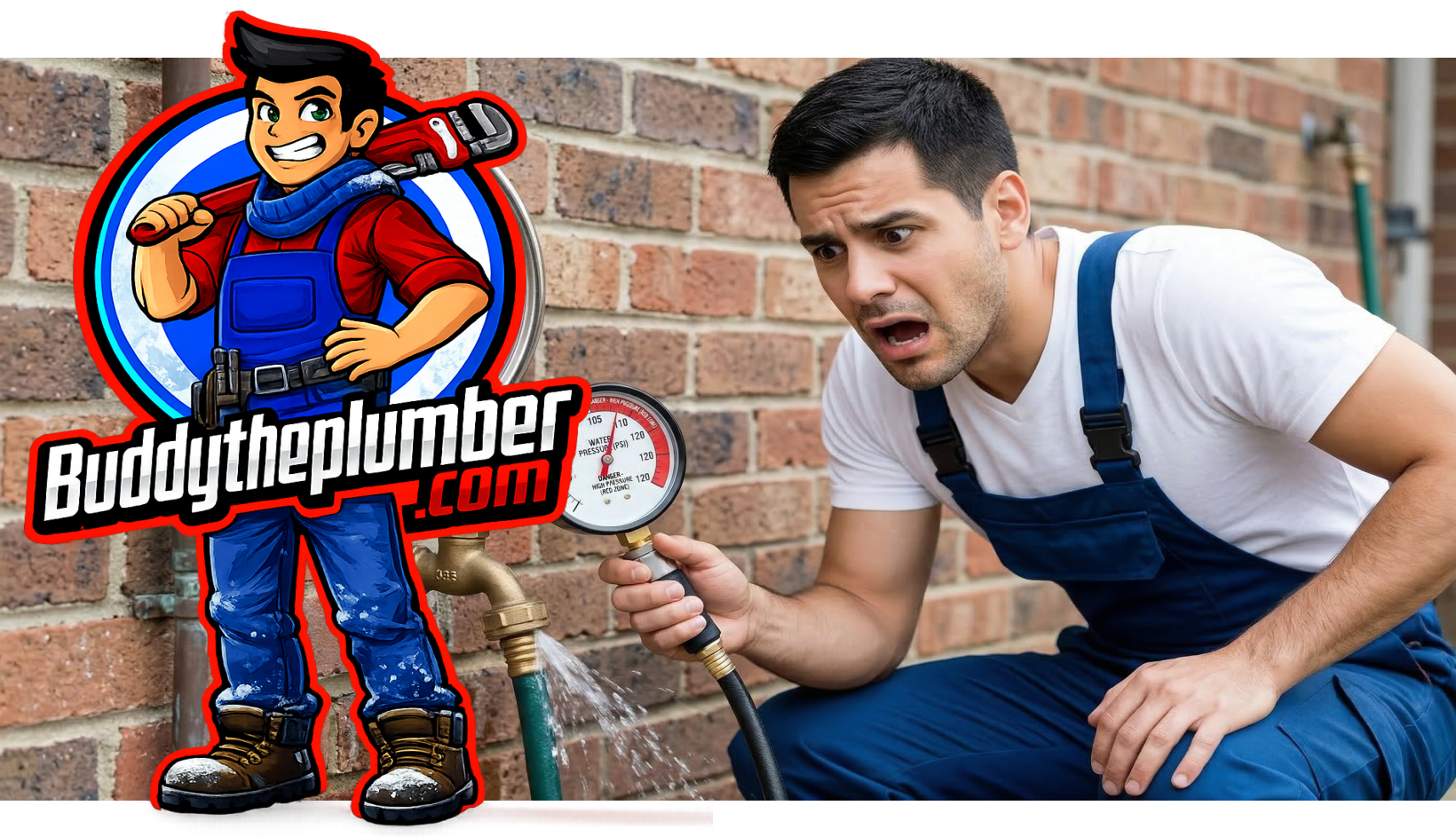
Technician from Buddy the Plumber in Chattanooga checking home water pressure with a pressure gauge.

Chattanooga Water Pressure Problems: PSI Limits, Warning Signs & Solutions

Is Your Water Pressure Too High?

Chattanooga Water Pressure Problems: Causes, PSI Limits, Warning Signs, and Solutions

By Buddy the Plumber – Chattanooga, Tennessee

Water pressure problems are one of the most common plumbing issues homeowners experience in Chattanooga. While strong water pressure can make showers feel great, pressure that is too high can quietly damage pipes, fixtures, and appliances over time.

Many homeowners do not realize their plumbing system is under stress until they begin experiencing leaks, dripping faucets, failing appliances, or banging pipes.

Understanding your home’s water pressure can help prevent expensive plumbing repairs and extend the life of your plumbing system.

Quick Answer: What Should Water Pressure Be in Chattanooga Homes?

Most homes should have water pressure between 50 and 70 PSI.

Pressure above 80 PSI is considered too high and can damage plumbing systems over time.

High water pressure can cause:

  • Pipe leaks
  • Water heater damage
  • Faucet and fixture wear
  • Toilet valve failures
  • Appliance supply line leaks

A plumber can test your water pressure in just a few minutes using a pressure gauge. If pressure is too high, the problem is usually corrected with a pressure reducing valve (PRV).

Why Water Pressure Matters

Water pressure affects every part of your home’s plumbing system.

When pressure is too high, it places constant stress on pipes, fittings, valves, and appliances. This stress may not cause immediate damage, but over time it can lead to:

  • Hidden pipe leaks
  • Faucet drips
  • Toilet problems
  • Appliance damage
  • Water heater issues

Many plumbing failures that seem unrelated are actually caused by excessive water pressure.

What Is Normal Water Pressure for a Home?

The recommended water pressure range for most residential plumbing systems is:

50–70 PSI

Water Pressure Guide

PSI Level Meaning
Below 40 PSI Low pressure
50–70 PSI Ideal residential pressure
70–80 PSI Slightly high but usually manageable
Above 80 PSI Too high and should be corrected

Pressure above 80 PSI can begin damaging plumbing components.

Why Chattanooga Homes Often Have High Water Pressure

High water pressure is fairly common in the Chattanooga area.

Several factors contribute to this issue.

Municipal Supply Pressure

Water utilities often supply water at higher pressure to ensure homes at higher elevations receive adequate flow.

Elevation Differences

Chattanooga and surrounding communities have varying elevations, which can lead to higher water pressure in some areas.

Missing or Failing Pressure Reducing Valves

Some homes lack a functioning pressure reducing valve (PRV) or the valve may have failed over time.

Older Plumbing Systems

Older homes may have never had their water pressure tested or regulated properly.

Signs Your Water Pressure Is Too High

Some homeowners notice clear warning signs, while others experience no symptoms at all.

Common signs of excessive water pressure include:

  • Banging or hammering pipes
  • Dripping faucets
  • Toilets that run frequently
  • Appliances failing sooner than expected
  • Water heater relief valve issues
  • Vibrating pipes
  • Leaks around valves or fixtures

Sometimes the only way to know for sure is to test the pressure with a gauge.

Can High Water Pressure Cause Leaks?

Yes.

High water pressure places constant stress on plumbing components. Over time, that stress weakens seals, fittings, and pipes.

This can lead to:

  • Sink leaks
  • Faucet drips
  • Toilet valve leaks
  • Washing machine hose failures
  • Hidden leaks inside walls

If leaks keep appearing throughout a home, excessive pressure may be a contributing factor.

Can High Water Pressure Damage a Water Heater?

Yes.

Water heaters are particularly sensitive to pressure issues.

Excessive pressure can:

  • Stress internal components
  • Cause relief valve discharge
  • Shorten the lifespan of the tank
  • Damage plumbing connections

Keeping pressure within the recommended range helps protect water heaters and plumbing systems.

How to Test Water Pressure

Water pressure can be tested with a simple pressure gauge attached to an outdoor faucet.

Basic testing steps:

  1. Turn off all water inside the home
  2. Attach a pressure gauge to an outdoor hose bib
  3. Turn the faucet fully on
  4. Read the PSI level

If pressure exceeds 80 PSI, it should be evaluated by a plumber.

What PSI Is Too High for a House?

For most residential plumbing systems:

80 PSI or higher is considered too high.

Many Chattanooga homes measure between 90 and 120 PSI, which can significantly increase the risk of plumbing problems.

How Plumbers Fix High Water Pressure

The most common solution is installing or adjusting a pressure reducing valve (PRV).

A PRV regulates the water pressure entering the home and ensures it remains within safe levels.

A plumber may:

  • Test current pressure levels
  • Inspect the pressure regulator
  • Adjust the PRV
  • Replace a failed valve
  • Check for additional plumbing issues

Once pressure is properly regulated, the plumbing system experiences less stress and fewer leaks.

Should Chattanooga Homeowners Test Water Pressure?

Yes.

Testing water pressure is a simple step that can prevent expensive plumbing damage.

You should test your pressure if:

  • You recently purchased a home
  • You hear banging pipes
  • Plumbing fixtures keep failing
  • Water pressure feels unusually strong
  • You have never tested it before

Regular pressure testing can help protect your plumbing system.

What water pressure is normal for a home?

Most homes should have water pressure between 50 and 70 PSI.

What PSI is too high for a house?

For most homes, water pressure above 80 PSI is considered too high and can damage plumbing systems.

Can high water pressure damage plumbing?

Yes. High water pressure can damage pipes, faucets, toilets, water heaters, and appliance supply lines.

How do plumbers test water pressure?

Plumbers test water pressure using a gauge attached to an outdoor hose bib or plumbing connection.

Small Leaks Don’t Stay Small: Chattanooga Plumbing Warning Signs

Chattanooga Homeowners: Why Small Leaks Never Stay Small

Most plumbing disasters in Hamilton County don’t start with a sudden flood or a burst pipe.

They start quietly.

They start with a drip.

Whether you’re in a historic home in Brainerd, a mid-century ranch in East Ridge, or a newer build in Red Bank,
water damage doesn’t discriminate. A tiny puddle under the kitchen sink or a faint tea-colored stain on the ceiling
might seem like a “next week” problem — but in the plumbing world, “next week” is often too late.

At Buddy The Plumber, we’ve seen how quickly a minor nuisance turns into a major homeowner’s insurance claim.
Here’s why you should never ignore the drip.


The Hidden Costs of Waiting for Plumbing Repairs

Water is relentless. Even a slow leak can cause silent destruction behind your walls and under your floorboards.
When homeowners wait to call a plumber, they aren’t just facing a higher water bill — they’re risking:

  • Structural Damage: Water soaks into subfloors and framing, leading to rot that weakens your home’s foundation.
  • Mold & Mildew Growth: Tennessee humidity already makes mold a threat. Add a leak, and mold can begin forming in as little as 24–48 hours.
  • Ruined Finishes: Drywall, cabinetry, and hardwood floors often need full replacement once saturated.
  • Electrical Hazards: Water and electricity don’t mix. Leaks near outlets or inside walls can create dangerous shorts.

The bottom line: early professional leak detection can save you thousands in restoration costs.


Common Signs of a Hidden Leak in Your Chattanooga Home

You don’t always have to see water to know you have a problem. Watch for these warning signs:

  • Mystery sounds: dripping or rushing behind walls when no fixtures are running
  • Sudden spikes in your water bill: often caused by silent toilet or underground leaks
  • Musty odors: that “old basement smell” usually points to trapped moisture
  • Warm spots on floors: especially in slab homes, this may signal a hot water line leak
  • Peeling paint or wallpaper: moisture pushing through drywall causes bubbling and flaking

If you notice any of these, your home is already trying to tell you something.


Why a “Bucket Fix” Isn’t a Solution

We’ve walked into plenty of homes where a bucket has lived under a sink for months.

We get it — life is busy. But towels and buckets are band-aids for problems that need stitches.

Plumbing leaks are progressive. A worn washer or corroded pipe joint won’t heal itself. It only gets worse until
pressure creates a full-blown emergency. The sooner a professional looks at it, the simpler — and cheaper — the
repair usually is.


Local Plumbing Support for Chattanooga, Red Bank & Beyond

We proudly serve the entire Scenic City area and understand the unique plumbing challenges of our neighborhoods:

  • Red Bank & Northshore: older clay pipes and outdated shutoff valves
  • East Ridge & Brainerd: shifting soil stressing underground lines
  • Surrounding areas: fast, reliable service in Hixson, Ooltewah, and Signal Mountain

Local experience matters when it comes to diagnosing and repairing leaks correctly.


Call Buddy The Plumber — Your Local Leak Detection Experts

Don’t wait for the ceiling to sag or the floor to warp. If something feels off, it probably is.

Our team uses modern leak-detection methods to locate problems quickly — without tearing your home apart.

Save your home.
Save your money.
Save your sanity.

Need a Plumber in Chattanooga?

If you’re hearing dripping, seeing stains, or noticing damp areas, don’t wait.
Contact Buddy The Plumber today to schedule your inspection.

Because in Chattanooga, small leaks don’t stay small — and you shouldn’t have to deal with them alone.

The Future of Plumbing: Buddy the Plumber’s Guide to Innovative Plumbing Technologies

The Future of Plumbing: Buddy the Plumber’s Guide to Innovative Plumbing Technologies

As technology continues to advance, so does the world of plumbing. Gone are the days of traditional plumbing systems; today, innovative technologies are transforming the way we interact with water and manage our plumbing systems. In Chattanooga, TN, and surrounding areas, Buddy the Plumber is at the forefront of the plumbing industry, embracing cutting-edge technologies to provide homeowners and businesses with state-of-the-art plumbing solutions. In this comprehensive guide, we’ll explore the future of plumbing, the key innovative technologies offered by Buddy, and how they are revolutionizing the way we use and conserve water.

The Revolution of Innovative Plumbing Technologies

The plumbing industry has witnessed a remarkable transformation with the advent of innovative technologies. These advancements not only enhance convenience but also contribute to sustainability and cost savings. Here are some of the key ways innovative plumbing technologies are revolutionizing the future of plumbing:

    1. Smart Water Management: Smart technologies, such as IoT-enabled sensors and smart meters, allow real-time monitoring of water usage. Homeowners and businesses can now gain valuable insights into their water consumption patterns and identify opportunities for conservation.

    1. Water Filtration and Purification: Advanced water filtration and purification systems ensure access to clean and safe drinking water. These technologies remove contaminants and impurities, making tap water a reliable source for daily use.

    1. Leak Detection and Prevention: Innovative leak detection systems utilize sensors to identify leaks in real-time, allowing prompt repairs and preventing water wastage and potential damage.

    1. Energy-Efficient Fixtures: From low-flow faucets to high-efficiency toilets, energy-efficient fixtures optimize water usage without compromising on performance, resulting in reduced water bills and a smaller environmental footprint.

    1. Tankless Water Heaters: Tankless water heaters provide hot water on-demand, eliminating the need for large water storage tanks and reducing energy consumption.

    1. Water Recycling Systems: Greywater recycling systems collect and treat non-toilet wastewater, such as from showers and sinks, for reuse in irrigation and flushing toilets, promoting water conservation.

    1. High-Tech Toilets: Innovative toilets come with various features, including self-cleaning capabilities, built-in bidets, and motion-activated lids, providing enhanced comfort and hygiene.

Buddy the Plumber’s Key Innovative Plumbing Technologies

Buddy the Plumber remains committed to staying ahead of the curve in adopting innovative plumbing technologies. Here are some of the key technologies offered by Buddy:

    1. Smart Water Management Solutions: Buddy integrates smart water management solutions that enable remote monitoring and control of water usage. Homeowners and businesses can access real-time data and make informed decisions about their water consumption.

    1. Water Filtration and Purification Systems: Buddy offers high-quality water filtration and purification systems, ensuring access to clean and safe drinking water for you and your family.

    1. Leak Detection and Repair Services: Buddy’s advanced leak detection technology identifies leaks promptly, allowing our expert plumbers to address issues quickly and efficiently.

    1. Energy-Efficient Fixtures: Buddy recommends and installs energy-efficient fixtures that promote water conservation without sacrificing performance.

    1. Tankless Water Heaters: Upgrade to tankless water heaters for unlimited hot water supply, improved energy efficiency, and space-saving benefits.

    1. Water Recycling Solutions: Buddy can install water recycling systems to reuse greywater for irrigation and toilet flushing, making your home more eco-friendly.

    1. High-Tech Toilet Installations: Enjoy the latest in toilet technology with Buddy’s range of high-tech toilets, featuring self-cleaning capabilities and advanced bidet options.

The Benefits of Embracing Innovative Plumbing Technologies

Embracing innovative plumbing technologies offers numerous benefits to homeowners and businesses alike:

    1. Water Conservation: Smart water management and water recycling technologies promote efficient water usage, contributing to water conservation and reduced utility bills.

    1. Cost Savings: Energy-efficient fixtures and tankless water heaters lead to significant cost savings on energy and water bills over time.

    1. Enhanced Convenience: High-tech toilets and smart water systems offer increased comfort and convenience, elevating the overall living and working experience.

    1. Environmental Sustainability: By reducing water waste and conserving energy, innovative plumbing technologies contribute to a greener and more sustainable future.

Unlock the future of plumbing with Buddy the Plumber’s innovative technologies in Chattanooga, TN! From smart water management to energy-efficient fixtures, experience the transformation that will elevate your daily life and promote sustainability. Embrace the revolution – contact Buddy at 423-401-9009 or visit 

Chattanooga Plumber – Residential and Commercial to explore the possibilities today!

Plumbing Codes Every Chattanooga Homeowner Should Know

The Essential Guide to Plumbing Codes for Chattanooga Homeowners: Why Local Expertise Matters

Navigating the intricate world of plumbing codes can be a daunting task for any homeowner, especially when local regulations vary significantly from one area to another. For Chattanooga homeowners, understanding these codes is crucial to ensuring the safety and functionality of their home’s plumbing systems. Local expertise is invaluable in this regard, as licensed plumbers familiar with Chattanooga’s unique requirements can provide tailored solutions and ensure compliance with city standards. From the picturesque neighborhoods of Northshore, TN, to the vibrant communities of East Ridge, TN, having a trusted local plumber can make all the difference. In this guide, we’ll delve into the key plumbing codes specific to Chattanooga, highlighting why enlisting the help of a seasoned local professional is not only beneficial but essential.

Understanding Chattanooga Plumbing Codes

Navigating the complex world of plumbing codes in Chattanooga can be challenging for homeowners. This section breaks down the key regulations, common mistakes, and the importance of compliance to help you understand the local plumbing landscape.

Key Local Regulations

Chattanooga’s plumbing codes are designed to ensure safety, efficiency, and environmental protection. The city follows the International Plumbing Code with local amendments.

Key regulations include specific requirements for water heater installations, backflow prevention devices, and proper venting systems. These codes also cover the materials allowed for piping and fixtures, ensuring durability and safety.

Homeowners should be aware of regulations regarding water conservation, such as low-flow fixture requirements and restrictions on water usage during drought conditions. Understanding these codes is crucial for maintaining a compliant and efficient plumbing system.

Common Plumbing Mistakes

Many Chattanooga homeowners unknowingly make plumbing mistakes that can lead to code violations and potential hazards. These errors often stem from a lack of understanding of local regulations.

One common mistake is improper installation of water heaters, particularly in terms of temperature and pressure relief valve placement. Another frequent error is the use of non-approved materials for piping or fixtures, which can lead to leaks or contamination.

Inadequate venting of plumbing systems is another issue that can result in sewer gas buildup or improper drainage. By being aware of these common mistakes, homeowners can avoid costly repairs and ensure their plumbing systems meet local standards.

Importance of Compliance

Compliance with Chattanooga’s plumbing codes is not just a legal requirement; it’s essential for the safety and well-being of your household and the community.

Adhering to these regulations ensures that your plumbing system functions efficiently, conserves water, and prevents potential health hazards. Compliant systems are less likely to experience leaks, backflow issues, or contamination problems.

Moreover, code compliance is crucial when selling your home or obtaining insurance. Non-compliant plumbing can lead to failed inspections, reduced property value, and even legal issues. By prioritizing compliance, you protect your investment and contribute to the overall health of Chattanooga’s infrastructure.

Benefits of Hiring Local Experts

When it comes to plumbing in Chattanooga, local expertise can make a significant difference. This section explores the advantages of hiring professionals who are familiar with the city’s unique plumbing landscape.

Knowledge of Local Codes

Local plumbers in Chattanooga possess an in-depth understanding of the city’s specific plumbing codes and regulations. This knowledge is invaluable when it comes to ensuring compliance and avoiding potential violations.

These experts stay updated on any changes or amendments to local codes, ensuring that your plumbing work always meets the latest standards. Their familiarity with Chattanooga’s unique plumbing challenges, such as dealing with hard water or navigating older infrastructure in historic neighborhoods, allows them to provide tailored solutions.

By hiring a local expert, you benefit from their experience in dealing with local code enforcement and their relationships with city inspectors, which can streamline the approval process for your plumbing projects.

Quick Response Times

One of the key advantages of working with local plumbers is their ability to respond quickly to emergencies. Chattanooga-based professionals can often reach your home faster than non-local companies, minimizing damage during plumbing crises.

Local plumbers are familiar with the city’s layout and traffic patterns, allowing them to navigate efficiently to your location. This quick response time is particularly crucial in emergency situations like burst pipes or severe leaks.

Moreover, local experts can often provide more flexible scheduling for non-emergency services, accommodating your needs more easily than larger, non-local companies.

Personalized Service in Chattanooga TN

Local plumbers in Chattanooga TN offer a level of personalized service that’s hard to match. They understand the unique characteristics of homes in different neighborhoods, from the older properties in North Shore to the newer developments in Ooltewah.

These professionals take the time to understand your specific plumbing needs and preferences. They can offer tailored advice on water conservation, considering Chattanooga’s climate and water quality.

By building long-term relationships with local plumbers, homeowners benefit from consistent service and a professional who truly understands their home’s plumbing history and quirks.

Choosing the Right Plumber

Selecting the right plumber is crucial for ensuring quality work and peace of mind. This section guides Chattanooga homeowners through the process of finding a reliable and competent plumbing professional.

Qualities to Look For

When searching for a plumber in Chattanooga, certain qualities set the best professionals apart. According to industry experts, these qualities include:

  • Reliability: A good plumber should be punctual and consistent in their service.

  • Transparency: Look for professionals who provide clear, upfront pricing and detailed explanations of the work needed.

  • Experience: Seasoned plumbers bring valuable expertise, especially in dealing with Chattanooga’s unique plumbing challenges.

Communication skills are also crucial. A top-notch plumber should be able to explain complex issues in understandable terms and keep you informed throughout the process.

Lastly, consider their problem-solving abilities. The best plumbers can think creatively to address unique issues while adhering to local codes and regulations.

Importance of Licensing and Certification

Licensing and certification are non-negotiable when it comes to choosing a plumber in Chattanooga. These credentials ensure that the professional has met specific standards of knowledge and skill.

Licensed plumbers are required to stay updated on the latest plumbing codes and regulations, including Chattanooga’s local amendments. This ongoing education ensures they can provide code-compliant services.

Certification from recognized industry bodies, such as the National Inspection Testing Certification (NITC), adds an extra layer of credibility. These certifications often require rigorous testing and ongoing professional development.

Recommendations for Chattanooga TN Homeowners

For Chattanooga TN homeowners seeking reliable plumbing services, consider the following recommendations:

  • Research local plumbing companies and read customer reviews.

  • Ask for recommendations from neighbors or local home improvement groups.

  • Verify licenses and certifications before hiring.

  • Get multiple quotes for large projects to ensure fair pricing.

  • Consider the plumber’s familiarity with your specific neighborhood or type of home.

Remember to prioritize quality over cost. While it may be tempting to choose the lowest bid, investing in a reputable, experienced plumber can save you money and headaches in the long run.

Lastly, don’t hesitate to ask questions about their experience with Chattanooga’s plumbing codes and any specific challenges your property might present. A knowledgeable, transparent plumber will be happy to address your concerns and provide the information you need to make an informed decision.